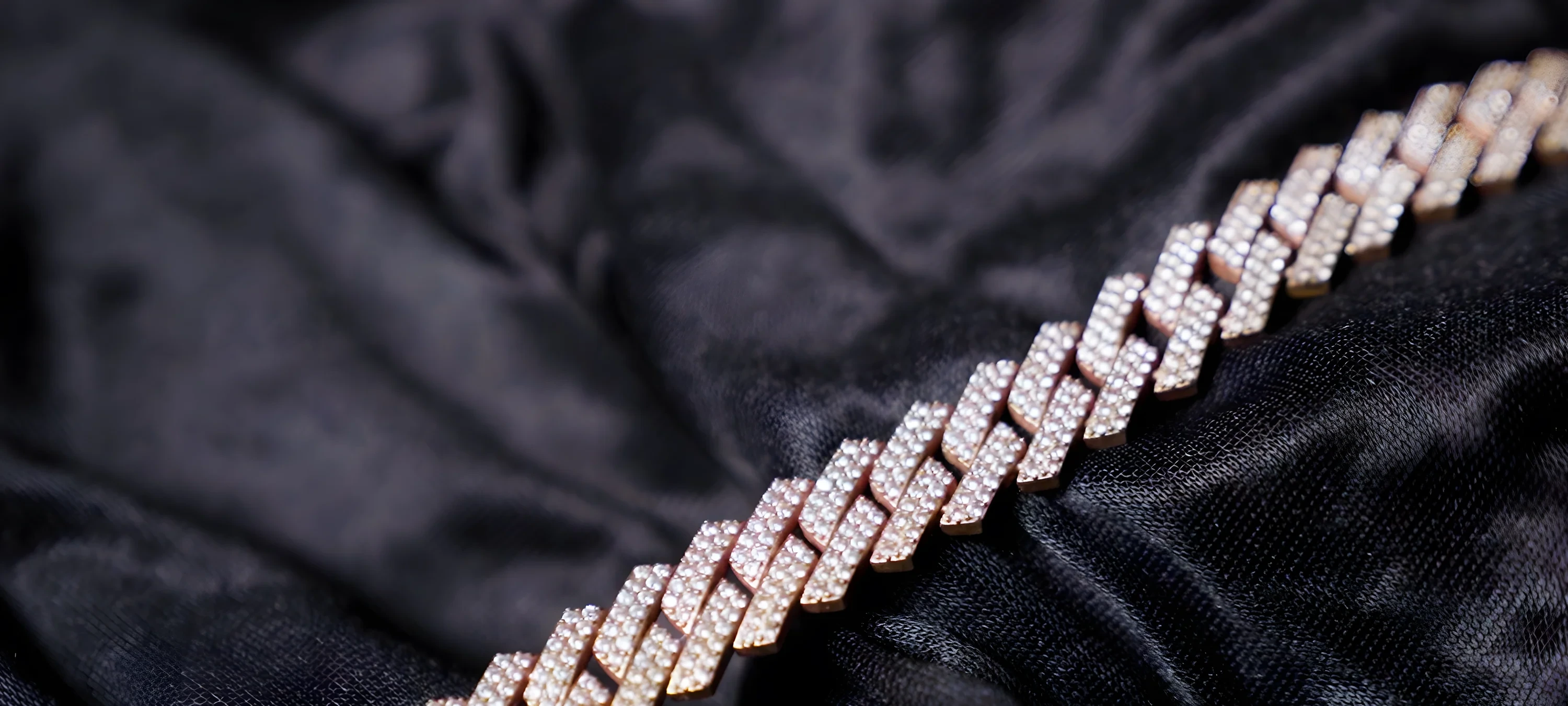
Stone settings
Prepare seats, channels and fine geometry for designs that require accurate stone placement and predictable casting preparation.
Applications
WaxJet 510 supports rings, stone settings, ornaments, prototypes and short jewellery series where casting-ready wax patterns require detail, repeatability and controlled surface quality.
Prepare seats, channels and fine geometry for designs that require accurate stone placement and predictable casting preparation.
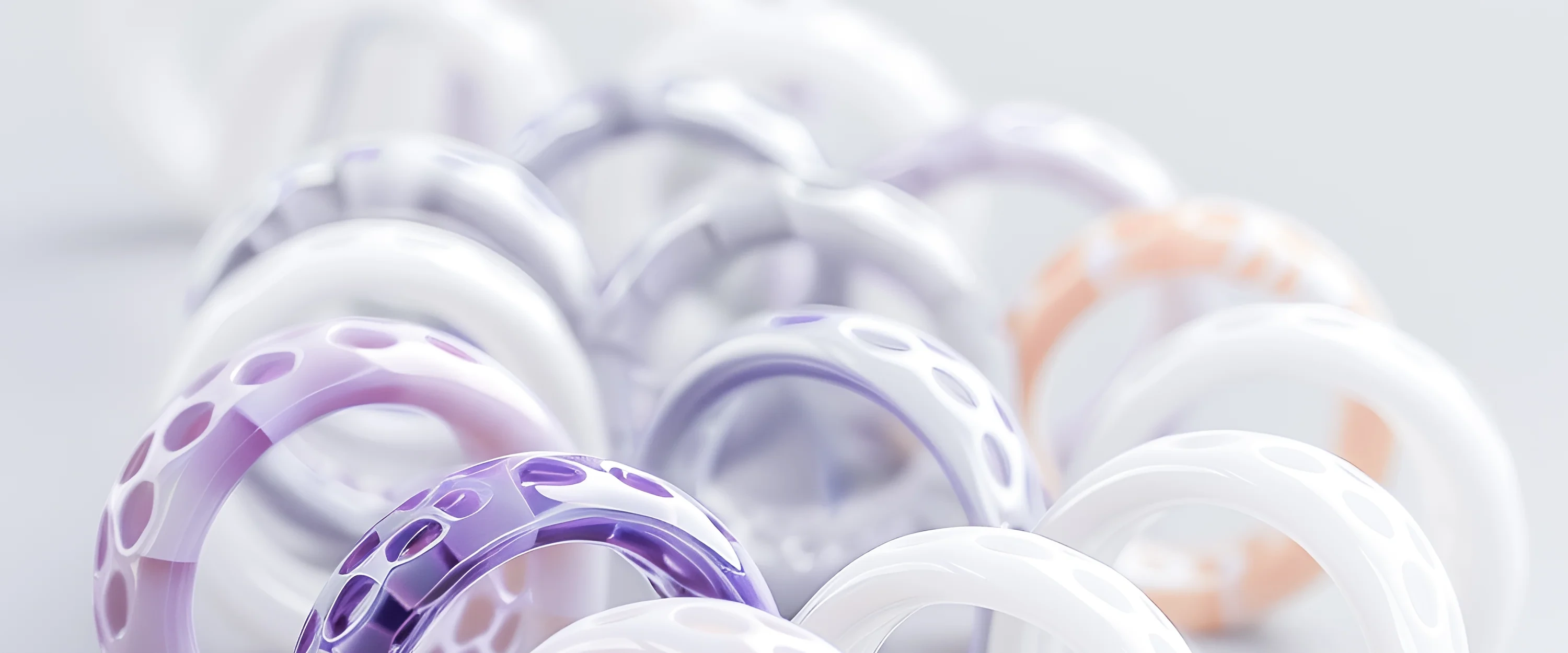
Print openwork forms, decorative surfaces and small elements that are difficult to reproduce manually.
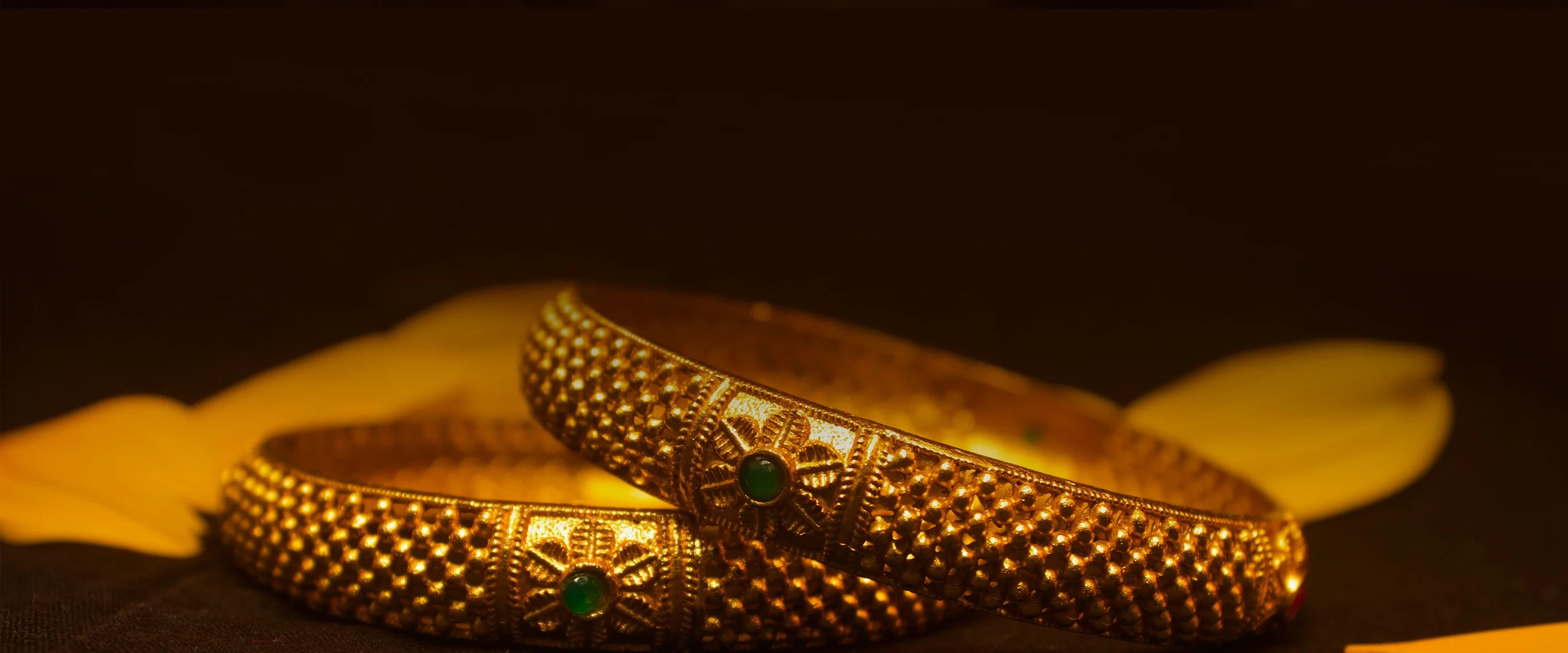
Validate new models, compare design variants and produce short runs without traditional tooling.
For jewellery teams
The printer is strongest when a workshop needs detailed wax models faster than manual carving or outsourced tooling. XHD 2900×2900×1700 DPI resolution, 15 μm layers and the 289×208×100 mm build volume support multiple casting patterns in one planned job.
FAQ
Flashforge WaxJet 510 is designed for rings, stone settings, ornaments, prototypes, short series and casting-ready wax patterns requiring detail and repeatability.
Yes. Wax 3D printing helps compare design variants before tooling or final production, especially in short jewellery series.
The 2900×2900×1700 DPI XHD resolution, 15 μm layers and 289×208×100 mm build volume support fine details and predictable casting preparation.
Production priorities
Flashforge WaxJet 510 is most relevant when rings, stone seats, openwork surfaces or miniature ornaments require repeatable detail before casting.
Digital wax printing helps compare variants and prepare short series without waiting for manual wax carving or dedicated tooling.
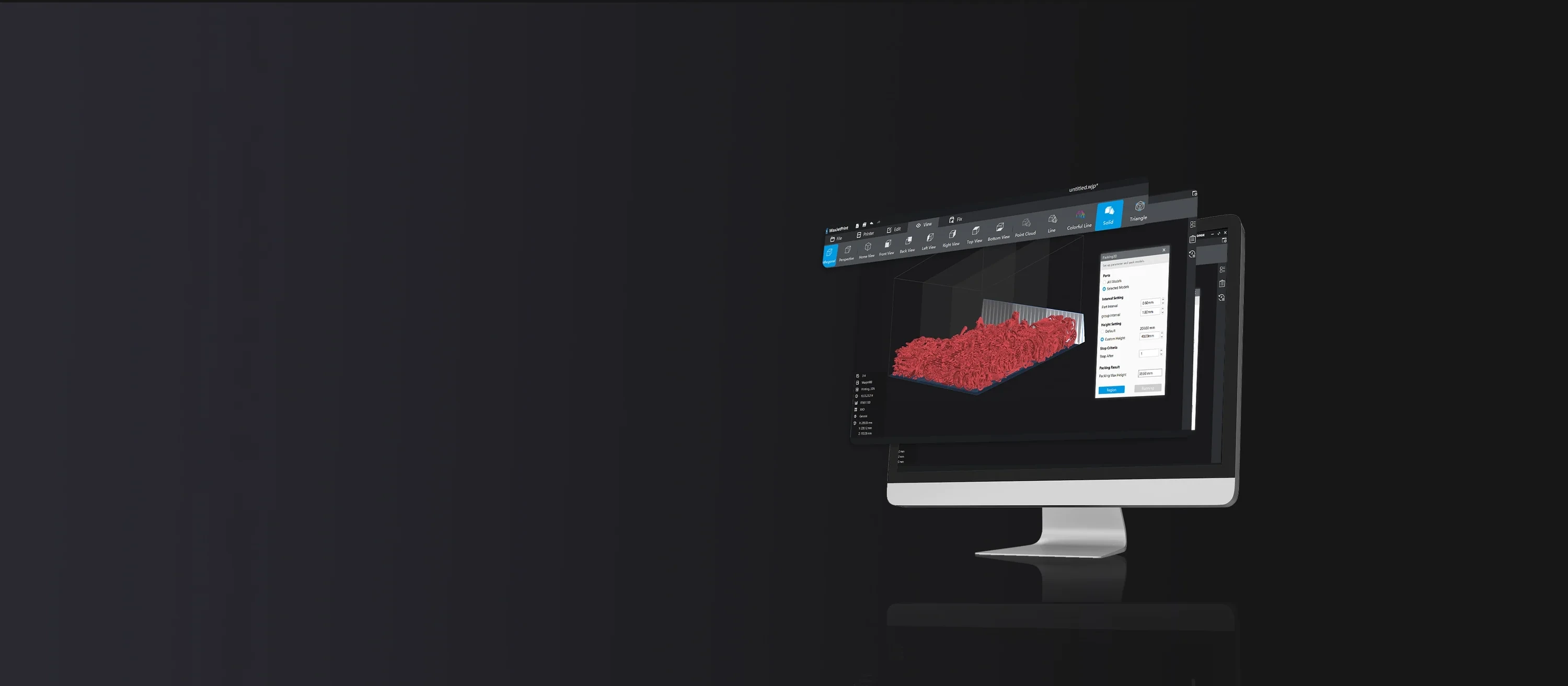
Evaluate the printed wax pattern, support removal and surface preparation before moving the model into investment casting.